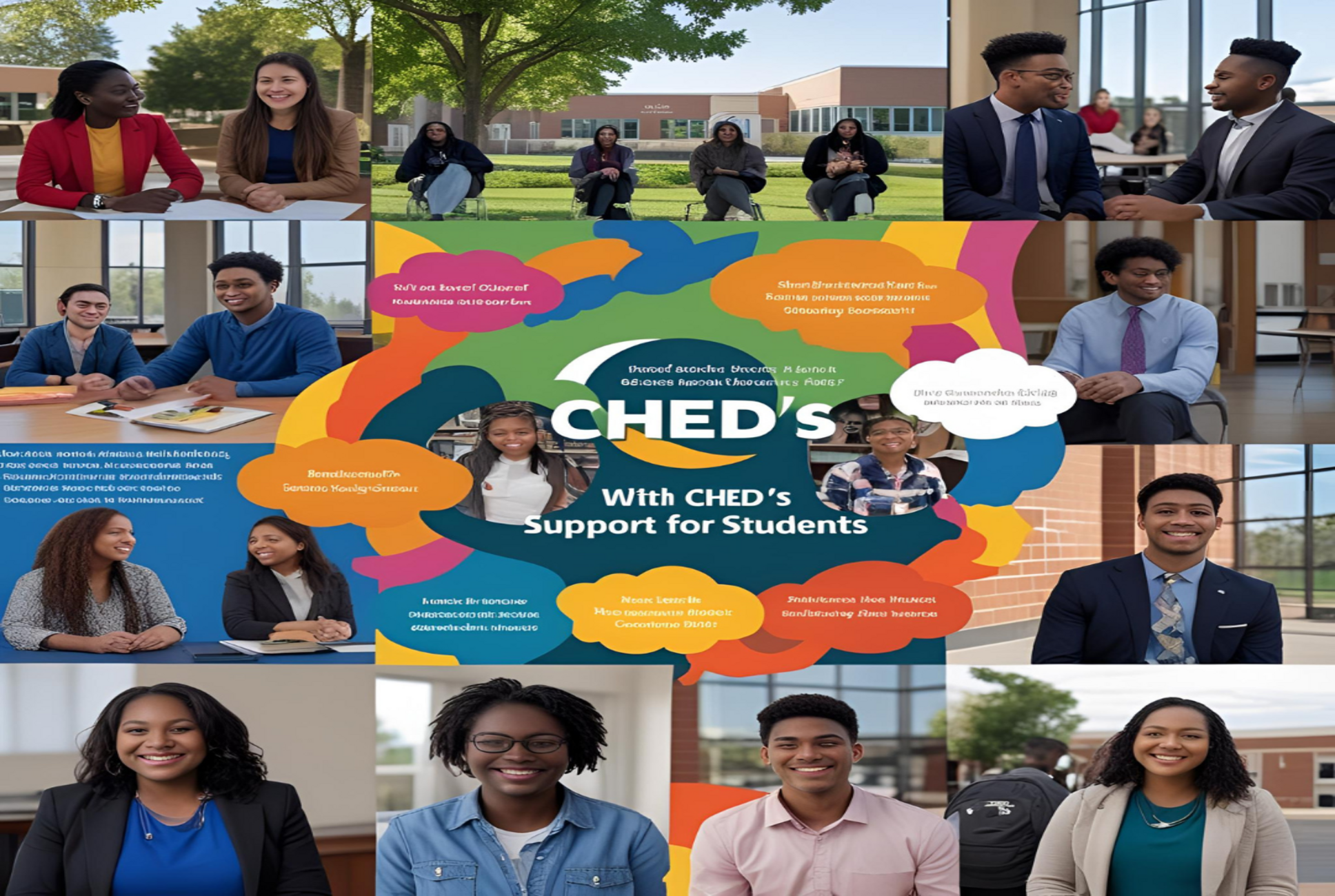
A Comprehensive Comparison of Its Programs and Services
I. Introduction
- Brief overview of CHED and its mandate.
- Importance of CHED’s role in the Philippine education system.
- Purpose of the article: compare and contrast CHED’s various student-focused programs and services.
II. Overview of CHED’s Mission and Student-Focused Goals
- Vision and mission related to student support.
- Key pillars: access, equity, quality, and governance.
- Target beneficiaries: public vs private school students, underserved regions, etc.
III. CHED Scholarship Programs
A. CHED Merit Scholarship Program (CMSP)
- Target audience and eligibility
- Benefits (tuition, stipend, book allowance)
- Application process and timeline
B. Tulong Dunong Program
- For financially needy but academically able students
- School-based administration
- Key differences from CMSP
🔍 Comparison Focus: Academic merit vs financial need, scale of coverage, processing time.
IV. Student Loan Programs
A. UniFAST Short-Term Loan Program
- How it works, repayment terms, and eligibility
- Differences from traditional bank loans
- Partner institutions
🔍 Pros and Cons: Immediate relief vs long-term debt, accessibility vs credit risk
V. Financial Assistance and Special Grants
A. Grants-in-Aid Program (STuFAP)
- Components and funding coverage
- Inclusion of special priority groups (IPs, solo parents, PWDs)
B. CHED Special Programs (e.g., for medical students, disaster-affected areas)
- Example: Medical Scholarship and Return Service Program
- Region-specific or profession-based targeting
🔍 Comparison Focus: Nationwide reach vs niche impact, long-term value for career-building
VI. Academic Support and Development Programs
A. CHED’s Higher Education Development Programs
- Faculty development (scholarships for professors)
- Curriculum standardization
B. International Mobility and Linkages
- Study abroad exchange support
- Partnerships with global universities
🔍 Value to Students: Indirect vs direct support, career advancement, prestige factor
VII. Institutional Support That Benefits Students
- Infrastructure funding for state universities and colleges (SUCs)
- ETEEAP (Expanded Tertiary Education Equivalency and Accreditation Program)
- K-12 transition support (e.g., faculty retraining programs)
🔍 Student Impact: Improved facilities, flexible learning, more program choices
VIII. How to Access CHED Programs
- Step-by-step guide for application
- Official platforms and contact channels
- Avoiding scams and unofficial agents
IX. Challenges and Criticisms
- Funding delays and processing bottlenecks
- Limited awareness in rural areas
- Recommendations from experts or stakeholder
X. Conclusion and Final Thoughts
- Recap of CHED’s diverse student support options
- Choosing the right program based on individual needs
- Encouragement to take advantage of CHED’s services
Optional Add-on Sections:
- ✅ Student Testimonials (real or fictionalized case studies)
- ✅ Infographic comparing top 5 CHED student programs
- ✅ Downloadable checklist: “Am I Eligible for CHED Aid?”


wzd1cj
rpxs5t
igc5o1
o4ef2z
6580rx
74427d
7d0sdn
88rawk
**mind vault**
mind vault is a premium cognitive support formula created for adults 45+. It’s thoughtfully designed to help maintain clear thinking
Hey there,
Noticed “accessibility”, possibly misspelled. I’ve found spellingreport.com helpful for quick checks.
Thanks,
Zachary
**breathe**
breathe is a plant-powered tincture crafted to promote lung performance and enhance your breathing quality.
wa8nva
Thank you for your sharing. I am worried that I lack creative ideas. It is your article that makes me full of hope. Thank you. But, I have a question, can you help me?
Thank you for your sharing. I am worried that I lack creative ideas. It is your article that makes me full of hope. Thank you. But, I have a question, can you help me? https://www.binance.info/da-DK/register?ref=V3MG69RO
Can you be more specific about the content of your article? After reading it, I still have some doubts. Hope you can help me.